
 Shop
Shop
6 Foods To Help
Do you suffer from arthritis? IBS? Headaches or migraines? Achy joints? Muscle pain? Then this article will help you!
If you’re struggling to cope with pain from a specific condition, the first thing that might pop into your head is to make a beeline for the kitchen drawer or bathroom cabinet and reach for that trusty box of painkillers. While they might seem like the ideal solution at first, those pills are only masking the pain for a short duration as they’re not treating the underlying causes.
Yet, recently, research shows that the best way to treat pain and inflammation in the body doesn’t lie within painkillers but in the supermarkets and your refrigerator! By choosing the right foods and following an anti-inflammatory diet you could reduce your risk of illness (as well as inflammation and pain).
To help get you started, we’ve put together a list of the top 6 foods/ingredients you should incorporate into your everyday diet, to help fight pain and inflammation naturally. Couple these tips with our special pain-relieving exercises for the best results! But remember, everything in its own time. Practising daily and optimising your diet will help improve your overall quality of life, so long as you stick to it and don’t get disheartened by a lack of immediate results.



Food #1 — Turmeric
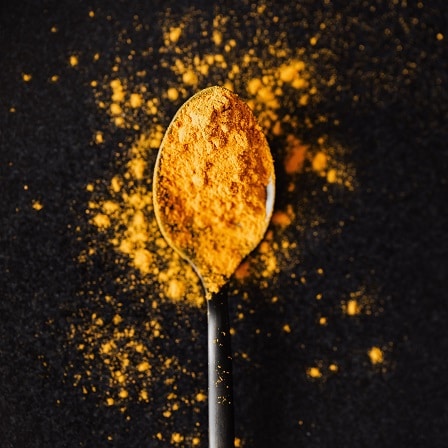
Turmeric
Turmeric is well known for its medicinal purposes. Its key ingredient — curcumin — has potent anti-inflammatory and antioxidant properties which have the ability to fight against chronic pain. There are several ways to incorporate this spice into your food, whether it’s through a delicious curry, a salad dressing or mixing it into a smoothie or health shot.
While commonly used for conditions involving pain and inflammation, it can also be used for hay fever, depression, high cholesterol and liver disease, although there’s less scientific evidence to support these uses.
Good to know: Since curcumin is poorly absorbed into the bloodstream, it can help to mix it with black pepper, which should increase the absorption rate.
Try these recipes containing turmeric: You can find our osteoarthritis tea recipe here or our anti-inflammatory smoothie, here.
Food #2 — Ginger
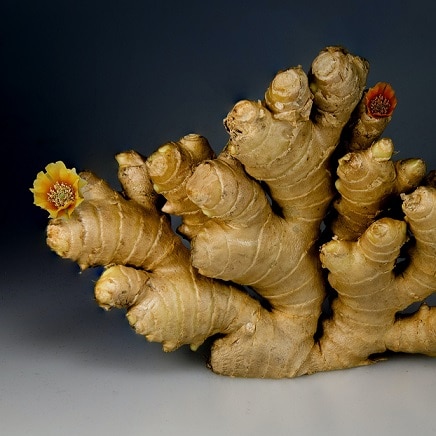
Ginger
Ginger is well used in traditional and alternative medicine, as it contains the powerful bioactive compound gingerol. Known for its anti-nausea, stomach-soothing and anti-inflammatory properties, it’s one of the healthiest spices on the planet.
The root is also used to treat joint pain, common colds, sore muscles and even menstrual cramps. If you’re looking for a simple and great way to incorporate ginger into your daily meal plan, we recommend ginger tea. Incidentally, we have an easy detoxing tea recipe for you here.
Try these other recipes containing ginger: You can find recipes for our immune-boosting shots here. Give our probiotic power smoothie a go, too!
Food #3 — Garlic
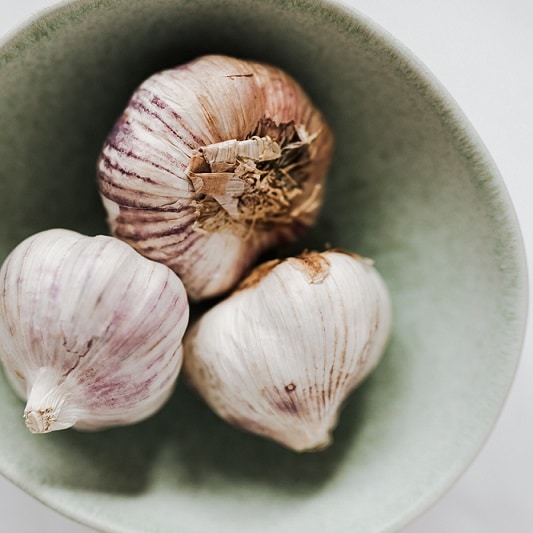
Garlic
Garlic isn’t only delicious and the perfect addition to various savoury meals, salad dressings and sauces. It can also help reduce inflammation and may even help prevent cartilage damage from arthritis.
The bulb contains (along with other Allium genera such as onion, chives and leeks) diallyl disulfide, an anti-inflammatory compound. It’s also highly nutritious, offering manganese, vitamin C, B6 and B1, calcium, copper, potassium and iron.
Other benefits of garlic include:
- supporting the immune system
- promoting heart health
- and reducing blood pressure.
Try this recipe containing garlic as well as ginger and turmeric: You can find our delicious superfood bowl here.
Food #4 — Chilli Peppers
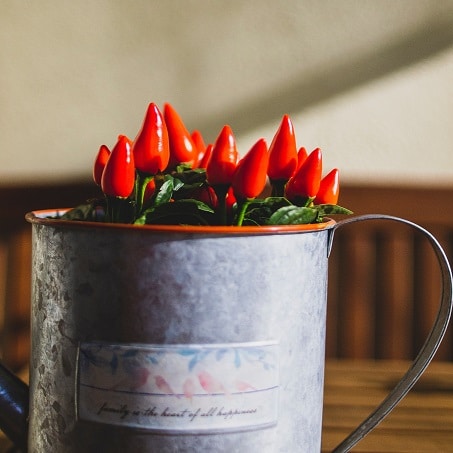
Chilli Peppers
Chilli peppers have a multitude of benefits. They include the substance capsaicin, which is the component that gives chillies their heat. That’s not all it’s capable of, though! It is also recommendable for its painkilling properties, which include reducing joint pain.
💡 Did you know that the spicy heat actually tricks your brain into releasing endorphins, which can help block pain signals?
Chillies are also jam-packed with vitamins and minerals, including vitamin B6, C and A, potassium, fibre, and iron. They’re also a rich, powerful source of antioxidants and have anti-inflammatory properties. Other advantages of capsaicin include supporting gut health, promoting cardiovascular health and boosting our metabolism rate. Some studies have also shown that chilli peppers have potential in treating headaches and migraines.
What you need to know: If you’re not used to eating chillies, they may cause indigestion, so it’s best to introduce them into your diet slowly and in small amounts at first.
Food #5 — Berries
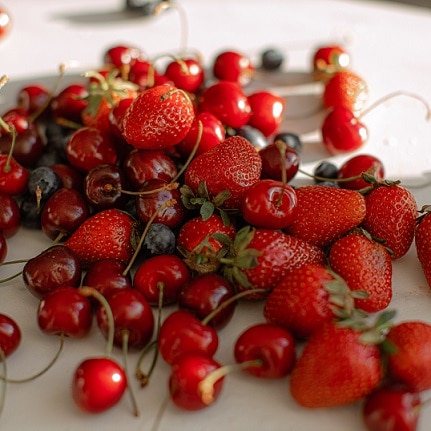
Berries
Thank you berry much! Did you know berries are amongst the healthiest foods that you can eat? Aside from being delicious, they’re filled with importantvitamins and minerals and are rich in fibre and antioxidants, providing many fantastic health benefits.
Some of the benefits include:
- keeping free radicals in the body in check,
- fighting inflammation,
- relieving muscle and joint pain,
- boosting immunity and regulating your metabolism.
Berries may also reduce the risk of disease, lower cholesterol levels and promote heart health by improving the function of our arteries.
💡 Blueberries, blackberries, raspberries and cherries are the most potent sources of phytonutrients and anthocyanins. They also inhibit pain enzymes (similar to nonsteroidal anti-inflammatory medications).
Food #6 — Mint
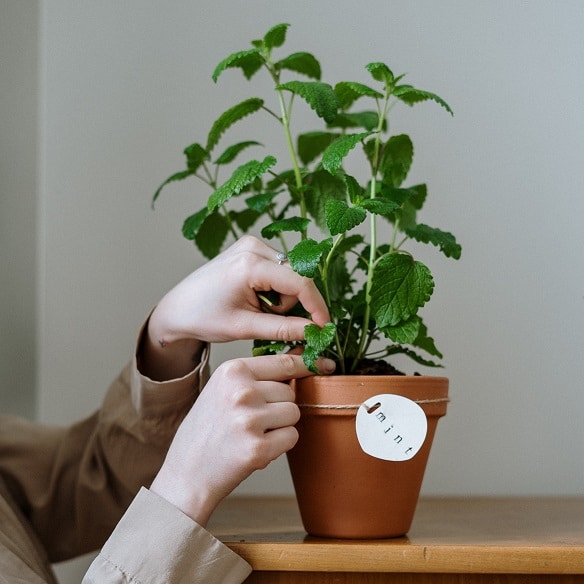
Mint
Mint is a well known herbal remedy that people have incorporated in traditional and alternative medicine for decades. It was primarily used to relieve gastrointestinal problems such as painful cramps, bloating, indigestion and irritable bowel syndrome (IBS).
It also contains antioxidant and anti-inflammatory properties (called rosmarinic acid), which help reduce inflammation and may possibly even reduce symptoms of asthma and soothe colds due to their aromatic decongestant.
💡 Peppermint, in particular, is fantastic at soothing stomach problems due to the menthol, which helps prevent muscle spasms. Peppermint oil is also effective at relieving headaches.
What you should know: If you suffer from GERD (gastroesophageal reflux disease), mint could act as a trigger rather than a preventative.
The most effective way of adding mint to your diet is through tea. You can find our Mint Tea recipe here.
Last but not least: Whilst there are lots of great foods out there, don’t forget about the bad ones!
❌ Here are some foods you should avoid or limit as much as possible:
- Fried Foods
- Sugary Soft Drinks
- Red & Processed Meat (Sausages, Burgers, Steaks)
- Refined Carbohydrates (White Bread, Pizza, Cereals etc.)
- Alcohol
We hope you find our tips helpful and wish you luck on your journey towards a pain-free and healthy life! Don’t forget, if you’re looking for some anti-inflammatory inspiration, you can find some of our healthy recipes below!
Fight Pain with Information.

Subscribe to The Pain Relief Advisor
Sign up for our free newsletter and discover how to manage your pain yourself. Every two weeks, we’ll deliver follow-along videos and articles to your inbox.
Veganise your life with our grocery list
Download our vegan grocery list for free and start planning your next vegan feast!
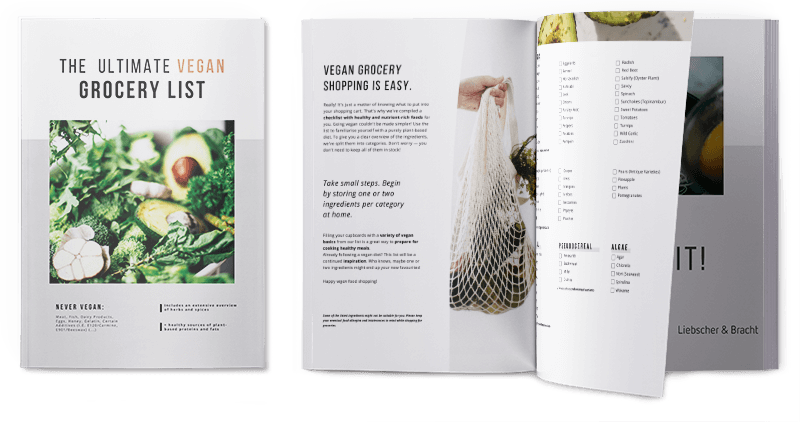
Enter your email address below and we will send you the list:
Like this listicle? Share it with your friends & family!
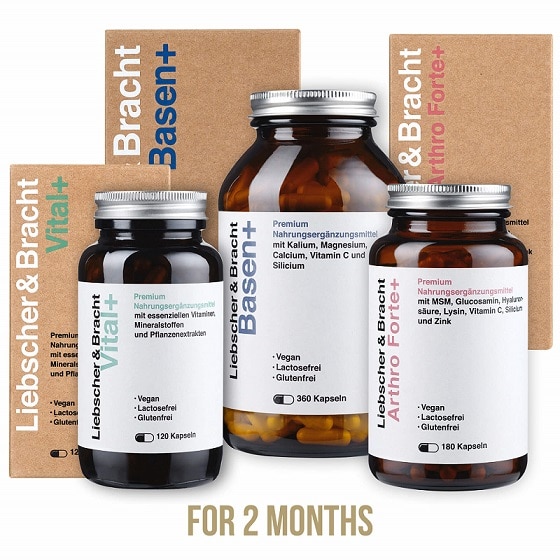
Try Our Premium Nutrient Supplement Trio
Learn more about our premium supplement trio, designed to support your metabolism & immune system in the best possible way.
TO THE SHOP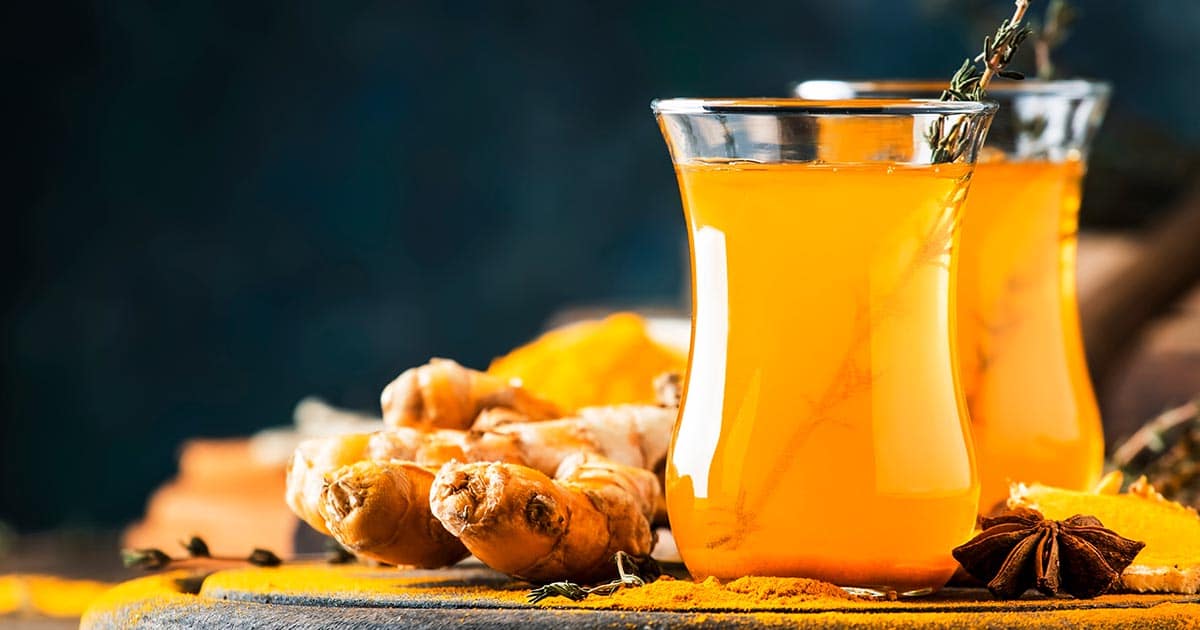
Try Our Osteoarthritis Tea
Our 2-in-1 osteoarthritis tea contains ingredients to help strengthen your immune system so that your body can fight against inflammation. Plus it’s delicious!
TO THE RECIPE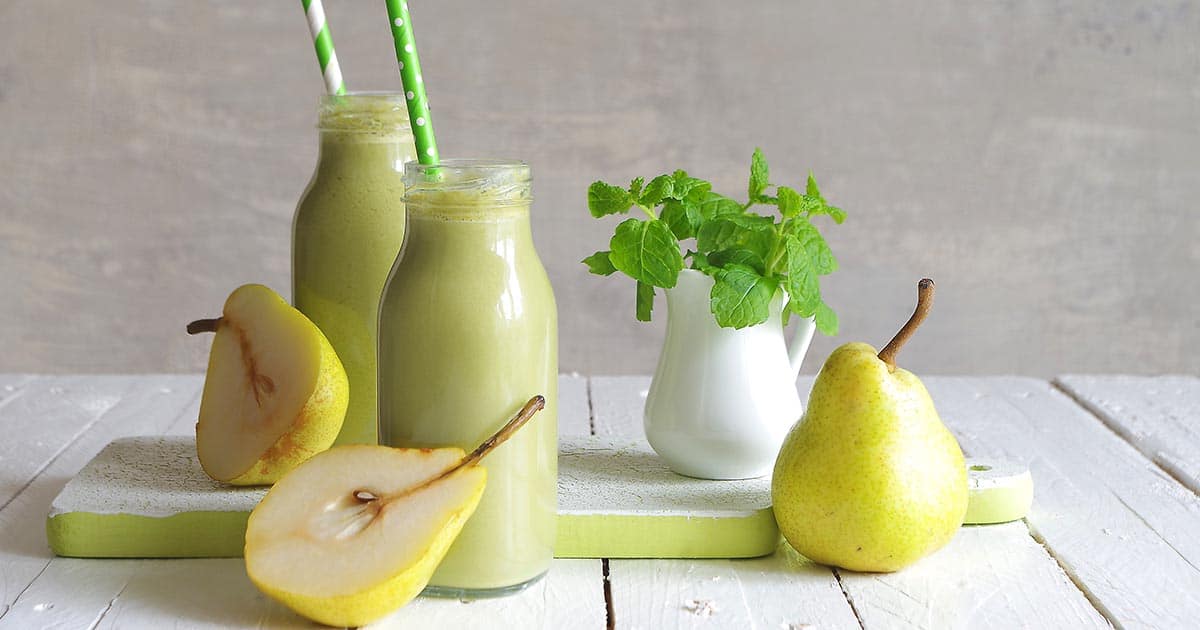
Try Our Anti-Inflammatory Smoothie
Containing ingredients such as pears, ginger, spinach and chia seeds, this smoothie is an anti-inflammatory and pain-relieving powerhouse.
TO THE RECIPE